


Ishinomaki
- Season Tse
- Nov 11, 2018
- 5 min read


Ishinomaki is a large port city, east of Sendai in Miyagi Prefecture, 30 mins train from Nobiru. It was one of the cities which was affected the most by earthquake and tsunami in 2011. The coastal area was hit several times with wave up to 10m in height. More than 45% of the land was affected with 3000 casualties and 29,000 residents homeless.

Town
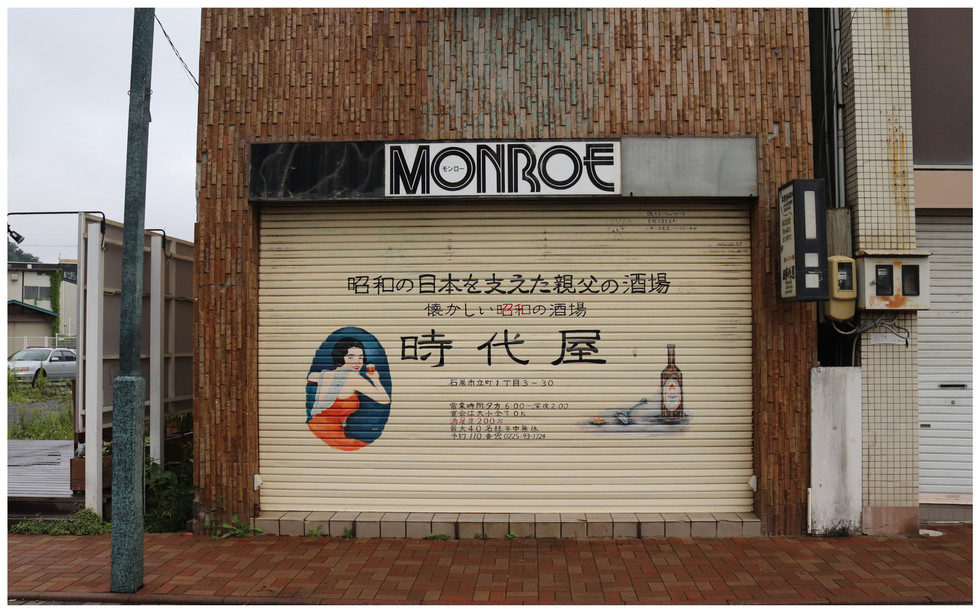
It was on a Sunday afternoon when I arrived to Ishinomaki, the town was very quiet with very few people on the street. Because the visitor centre was about to close so we rush down to coastal area. The town centre itself is already back to its original state, you can see a lot of new shops near the station and most pavement were newly paved with a bright red paving stone, which formed great contrast to the monotone sky above. On the main streets, there were many colourful flags and sculptures which lead you to the Manga Museum. Water level markings, either been painted by hand or official signs from the local council can be seen in many places as a reminder of the event. As we walked from the station down to the coastal side, we could see there were a lot of small old-fashioned bars and shops were closed down.




There were still a lot of constructions taken place near the canal area, the new soil based seawall has just been completed with pillars of a new bridge standing in the middle of the landscape.
Minamihamacho南浜町 was one of the most damaged areas, the wave went up to 6+m high and is now classified as non-habitable area. The government has decided to build a memorial park to memorise the life of many. The scale of the park is even larger than the one in Hiroshima. The work was started in 2015 and planning to be finished in 2020. Looking around the area it is hard to believe the park can be delivered on time.
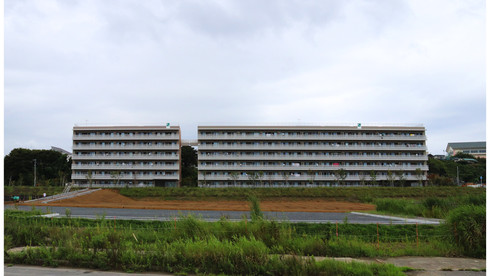
When I was walking around I felt that the masterplan of the area is lack of clarity. Slabs of generic apartment blocks and new houses are been built near the bottom of the hill,
the fate of the former elementary school is yet to be decided, there is a graveyard with hundreds of gravestones adjacent to the playing area for the kids. It felt very detached and isolated to the rest of the town at the moment.




People
The rebuild afford in Ishinomaki is very impressive, despite the tsunami has wiped out everything they had, it brought the community together to rebuild their hometown which I found their stories are very touching. This is a famous sign done by the locals not long after the tsunami saying “Keep up the spirit Ishinomaki!”, now it has been kept next to the visitor centre and hopefully for the future memorial park.
I was talking the young lady who was working in the visitor centre in the area I have just shown you. I was curious why she was working here. She said she moved to Tokyo after the tsunami. She saw the non-profitable NPO organisation was looking for volunteers and she came back to Ishinomaki to work in this visitor centre 3 years ago. She said there has been a lot of Japanese visitors came to visit and ask about the recovery progress. Recently, there are increasing number of foreign visitors as well.
The family-run Japanese Inn 菊地旅館 I was staying in, it got destroyed by the tsunami, the owner Kikuchi-san and his wife insisted to reopen the inn after the tsunami to greet visitors. They are super lovely and helpful couple, I could feel they are very proud of what they are doing and have been trying very hard to maintain their business. Their son’s wife is from Hong Kong and have been dealing with all the foreign bookings and translation for them.




Manga Museum
The Ishinomori Manga Museum is one of the most iconic places in Ishinomaki. The famous manga artist and author Shotaro Ishinomori, his work has had a significant impact on the many people’s lives, work such as “Cyborg 009’’, “Kamen Rider” and many more. In 1995, Ishinomori and the Ishinomaki City government has decided to create the framework of the ‘Manga Land Project’, as part of the rejuvenation of the town centre.’ The Manga Museum has been a symbol of hope for the town for many years. However, the first floor of Ishinomori Manga Museum was completely destroyed after tsunami. Contents were washed away into the river, the high humidity also damaged many of the collections. Luckily, no one lost their lives. No one knew if it would ever reopen, however, the council received messages from all over Japan, and about 10,000 messages were written on the plywood placed to plywood panels from the main entrance, expressing their wishes that the museum could be reopened. The power of individuals has made the reconstruction came true. 1 year and 8 months after the earthquake, the museum reopened. Again, it represents the key spirit of Ishinomaki.
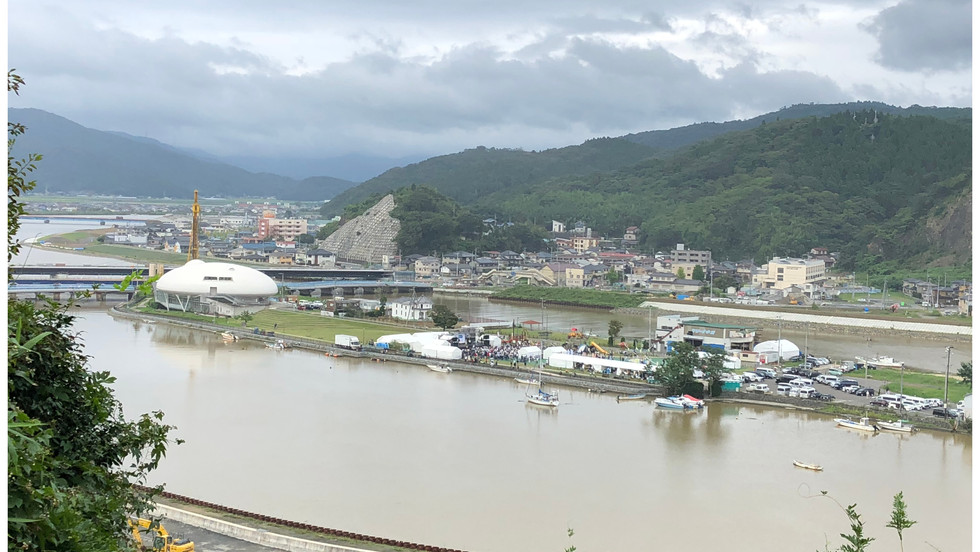
They were having a festival outside the museum on the day when we arrived, that’s why no one was on the street! The island itself came the stage and whole town can hear the music clearly.



Ishinomaki 2.0
Ishinomaki 2.0 is an organisation created by a group of very proactive professionals from different fields, their aim is to make the town more attractive than before and create a place to empower young people. The organisation was actually started in a small bar where they used 4 days to reconstruct not long after the tsunami hit. The bar became an important place where people expressed themselves and shared their ideas during the depressing period. This is a poster showing all the projects they have done so far and new interesting communities that evolved from Ishinomaki 2.0.
For example, Ishinomaki Laboratory opened by a sushi chef, his mom passed away in tsunami and was going to USA to work as a chef, however couldn’t get a visa. He came back to Ishinomaki to open the Laboratory. With a group of architects, designers and local residents, they met every evening to discuss how to rebuild the city. They thought the quickest way for the reconstruction was to reconstruct themselves. They begun to design and make furniture for local businesses to get themselves back together. It ran workshops with young children to help build these furniture pieces. It has become very successful and now runs commercially creating ‘DIY pieces’ which are sold internationally with part of the profits going back to the local community. They also have Ishinomaki Voice, which they published booklets and broadcast where local residents have a platform to talk about their dreams and hope for the future.
I was interviewing one of the organiser of Ishinomaki 2.0 Katsu-san. He is architect himself and based in Tokyo before. He became fully involved Ishinomaki 2.0 back in 2012 and established his own practice in Ishinomaki in 2016. I interviewed him in a place called Irori Ishinomaki. This place used to be a garage and later turned into Laboratory workshop space. As their business expanded they have moved to a bigger warehouse 15 mins drive from the station. Katsu-san was the architect for the conversion and extension of the place. Now, it is the new base for Ishinomaki 2.0, a co-working space, a cafe and 3 ‘cube’ spaces which can be rented out for meetings and events. His office is just above the cafe. All the furniture used here are made by Ishinomaki Laboratory, they also sell craft products made by the local as well.


Comments